Chicago Drivers Vehicle Maintenance Calendar: What to Check and When
Afzaal Zeb ·
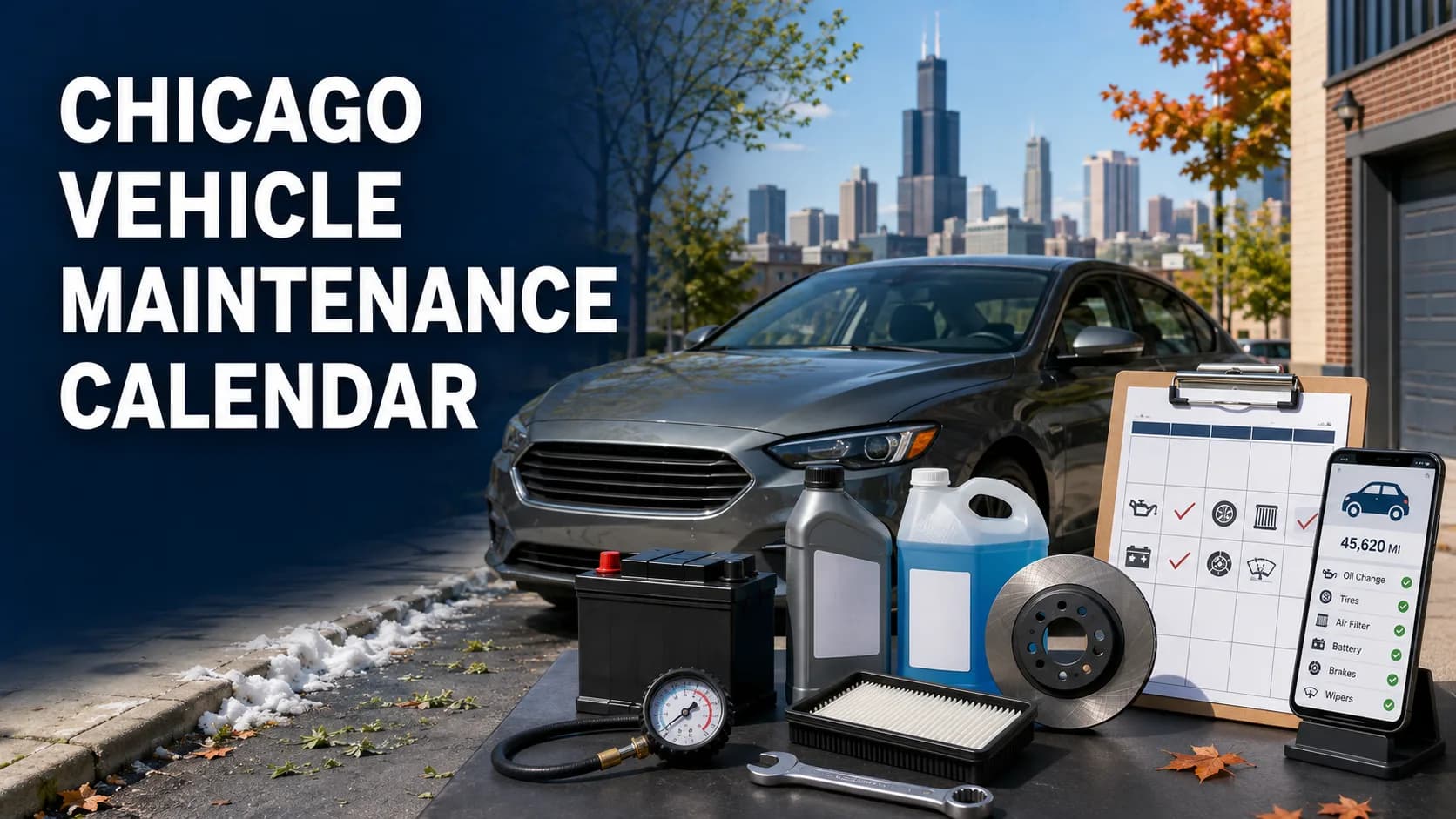
Owning a car in Chicago means dealing with more than routine driving. Potholes can affect tires and alignment, road salt can encourage corrosion, summer heat strains batteries and cooling systems, and freezing temperatures make small mechanical problems more noticeable.
Regular vehicle maintenance can help you catch problems early, reduce the risk of breakdowns and keep your car operating reliably throughout the year. The challenge is remembering what was serviced, when it was completed and what needs attention next.
That is why ChicagoDrivers.com (opens in a new tab) offers a Vehicle Maintenance Log where drivers can record service history and keep important maintenance information organized in one convenient place.
This Chicago vehicle maintenance calendar provides a practical starting point. Your vehicle’s manufacturer may recommend different service intervals, so always consult the owner’s manual for the schedule specific to your make, model, engine and driving conditions.
Why Chicago Cars May Need Extra Attention
A vehicle driven around Chicago may experience conditions that can accelerate normal wear, including:
Potholes and uneven pavement
Frequent stopping and starting
Short trips that do not fully warm the engine
Long periods of idling
Freezing winter temperatures
Hot and humid summer weather
Road salt, snow and slush
Heavy expressway traffic
Frequent use by rideshare and delivery drivers
If you regularly drive for Uber, Lyft, taxi, delivery or another commercial service, your vehicle may accumulate mileage and engine hours much faster than an average personal vehicle. You may need inspections and maintenance more frequently.
Maintenance Checks to Perform Every Month
A simple monthly inspection can help identify developing problems before they become more expensive.
Check Tire Pressure
Tire pressure can change with the outside temperature. Chicago’s seasonal temperature swings make regular pressure checks especially important.
Use the pressure listed on the label inside the driver’s door or in the owner’s manual—not the maximum pressure printed on the tire’s sidewall.
Check all four tires and the spare, if your vehicle has one. Look for:
Low tire pressure
Uneven tread wear
Cracks or bulges
Nails or other visible damage
Unusual vibration while driving
Record tire inspections, repairs and replacements in your ChicagoDrivers.com (opens in a new tab) Vehicle Maintenance Log so you can monitor tire history over time.
Inspect Exterior Lights
Check your:
Headlights
Brake lights
Turn signals
Hazard lights
Reverse lights
License-plate lights
Chicago drivers spend plenty of time driving at night, during rain and in winter conditions. Working lights help you see the road and make your vehicle more visible to others.
Check Windshield-Washer Fluid
Keep the washer-fluid reservoir filled with a product suitable for the season. During winter, use fluid rated for freezing temperatures.
Salt spray and dirty slush can quickly cover a windshield, so it is smart to keep an extra container in the trunk during colder months.
Look Under the Vehicle
Pay attention to new puddles, spots or unusual odors where your vehicle is parked. Water from the air-conditioning system can be normal, but colored, oily or sweet-smelling fluid may indicate a leak that should be professionally inspected.
Maintenance Checks Every 3,000 to 5,000 Miles
Maintenance intervals vary considerably among vehicles. Older vehicles and cars using conventional oil may require more frequent service, while many newer vehicles using synthetic oil have longer manufacturer-approved intervals.
Check or Change the Engine Oil
Engine oil lubricates and protects internal engine components. Follow the manufacturer’s oil type and replacement schedule.
If your vehicle has an oil-life monitoring system, do not ignore its warning. Drivers who make frequent short trips, idle for extended periods or operate in severe weather may need to pay closer attention to oil condition and service timing.
Whenever you receive an oil change, record:
Service date
Vehicle mileage
Oil type
Oil viscosity
Oil filter replacement
Shop or service provider
Next recommended service
Saving these details in the Vehicle Maintenance Log on ChicagoDrivers.com (opens in a new tab) can prevent you from relying on a faded windshield sticker or trying to remember the last service date.
Inspect the Belts and Hoses
Ask your mechanic to inspect visible belts and hoses for cracks, leaks, swelling or deterioration. Rubber components can become less flexible with age and extreme temperatures.
Maintenance Checks Every 5,000 to 8,000 Miles
Rotate the Tires
Regular tire rotation can promote more even tread wear and may extend tire life. The correct rotation pattern and interval depend on the vehicle, drivetrain and tire type.
Some directional or differently sized tires cannot be rotated in the usual pattern. Follow the recommendations provided by the vehicle and tire manufacturers.
Inspect the Brakes
Stop-and-go traffic can place additional demand on a braking system. Have the brake pads, rotors and related components inspected if you notice:
Squealing or grinding
Steering-wheel vibration while braking
A soft brake pedal
The vehicle pulling to one side
Increased stopping distance
A brake warning light
Do not delay a brake inspection when the vehicle behaves differently. Brake concerns should be evaluated by a qualified professional.
Inspect Steering and Suspension
Pothole impacts can affect wheels, steering and suspension components. Seek an inspection if you notice clunking, pulling, unusual tire wear, steering vibration or changes in handling.
Maintenance Checks Every 10,000 to 15,000 Miles
Inspect or Replace the Cabin Air Filter
The cabin filter helps remove dust and other particles from air entering the passenger compartment. A clogged filter may reduce airflow from the heating and air-conditioning system.
Vehicles driven in dusty construction areas or heavy traffic may require more frequent inspection.
Inspect the Engine Air Filter
The engine air filter helps prevent dirt from entering the engine. Replacement intervals depend on the vehicle and operating environment.
Have it inspected during routine service rather than replacing it automatically without checking its condition and the manufacturer’s recommendations.
Check Wheel Alignment
There is no universal mileage interval for wheel alignment. However, an inspection may be appropriate after a serious pothole impact or when you observe:
Uneven tire wear
A crooked steering wheel
Pulling to one side
Changes in handling
An alignment cannot correct every steering or suspension problem, so damaged or worn parts should be identified first.
Maintenance Checks Every 20,000 to 30,000 Miles
Depending on the vehicle, this may be the time to inspect or service:
Engine air filter
Cabin air filter
Brake fluid
Transmission fluid
Coolant
Fuel-system components
Spark plugs on certain vehicles
Drive belts and hoses
Do not assume every fluid must be flushed at the same mileage. Some vehicles require specific fluids and procedures, while others have substantially longer intervals. Consult the owner’s manual or a qualified technician before authorizing a service.
Maintenance Checks Around 50,000 to 100,000 Miles
As mileage increases, several larger services may appear on the manufacturer’s schedule.
These can include:
Spark-plug replacement
Coolant service
Transmission service
Drive-belt replacement
Timing-belt replacement, if equipped
Differential or transfer-case fluid
Brake-fluid service
Suspension-component inspection
Timing-belt replacement is particularly important on vehicles that use one. Failure can cause severe engine damage in some engines. Timing chains follow different inspection and service requirements.
Use your ChicagoDrivers.com (opens in a new tab) maintenance history to prepare for these larger expenses instead of being surprised when several services become due at once.
Seasonal Chicago Vehicle Maintenance Calendar
Mileage is only part of vehicle maintenance. Chicago drivers should also prepare for seasonal changes.
Spring Maintenance: Inspect Winter Damage
Chicago winters can be hard on vehicles. When temperatures begin to rise, schedule a spring inspection.
Check:
Tire tread and pressure
Wheel alignment
Suspension and steering
Windshield wipers
Washer-fluid system
Brakes
Undercarriage condition
Exterior paint damage
Wash accumulated road salt from the vehicle, including the wheel wells and undercarriage where safely and appropriately available. Inspect for signs of corrosion, especially on older vehicles.
Spring is also a good time to change from winter tires to all-season or summer tires when conditions and temperatures are appropriate.
Summer Maintenance: Prepare for Heat and Road Trips
Hot weather places additional stress on batteries, cooling systems and air-conditioning equipment.
Before summer driving, check:
Battery condition
Coolant level and condition
Radiator and cooling-system components
Air-conditioning performance
Tire pressure
Engine oil
Wiper blades
Emergency supplies
If you are planning a road trip, complete the inspection early enough to address necessary repairs before departure.
Fall Maintenance: Get Ready for Winter
Do not wait for Chicago’s first major snowfall to prepare your car.
Your fall vehicle-maintenance checklist should include:
Battery and charging-system test
Tire tread inspection
Winter-tire planning
Brake inspection
Heater and defroster test
Wiper-blade inspection
Freeze-rated washer fluid
Coolant protection check
Exterior-light inspection
Emergency-kit update
Cold weather can expose a weak battery that appeared to operate normally during summer. Testing it before winter may help you avoid a no-start situation on a freezing morning.
Winter Maintenance: Monitor Tires, Battery and Visibility
During winter, inspect the vehicle more frequently.
Pay particular attention to:
Tire pressure
Battery performance
Windshield-washer fluid
Wiper operation
Headlights and brake lights
Snow and ice accumulation
Unusual warning lights
Fluid leaks
Road-salt buildup
Clear snow and ice from the windows, mirrors, lights and roof before driving. Keep a snow brush, ice scraper, warm blanket and other emergency supplies inside the car.
Maintenance Tips for Uber, Lyft, Taxi and Delivery Drivers
Full-time and part-time professional drivers place more demand on their vehicles. High mileage, frequent braking, idling and repeated passenger or delivery stops may shorten some maintenance intervals.
Commercial and gig drivers should consider tracking:
Weekly mileage
Oil-change dates
Tire rotations
Brake inspections
Tire tread depth
Cleaning and detailing
Battery replacement
Major repairs
Service costs
Vehicle downtime
A digital vehicle maintenance log can be especially valuable for professional drivers because maintenance history affects operating costs and income.
Keep Your Vehicle Records Organized with ChicagoDrivers.com (opens in a new tab)
Paper receipts can fade, service reminders can be misplaced and it is easy to forget whether a repair happened six months or two years ago.
The ChicagoDrivers.com (opens in a new tab) Vehicle Maintenance Log helps you keep your vehicle’s service information together.
Use it to record:
Oil changes
Tire rotations
Brake service
Battery replacements
Fluid changes
Filter replacements
Inspections
Repairs
Service mileage
Maintenance costs
Notes from your mechanic
Maintaining a clear history can help you understand what your vehicle costs to operate, identify recurring problems and prepare for future maintenance.
Start Your Vehicle Maintenance Log
Do not wait for a dashboard warning light or unexpected breakdown to think about maintenance.
Create your vehicle profile on ChicagoDrivers.com (opens in a new tab), enter your most recent services and begin building an organized maintenance history. Each time work is completed, update the log while the information is still fresh.
[Create Your Vehicle Maintenance Log]
Final Thoughts
A maintenance calendar does not guarantee that a vehicle will never experience a problem. It does, however, give you a more consistent way to monitor important components and respond to warning signs.
For Chicago drivers, seasonal preparation is just as important as mileage-based service. Monitor your tires after pothole impacts, protect the vehicle from winter conditions and give high-mileage vehicles the additional attention they require.
Most importantly, keep accurate records. The ChicagoDrivers.com (opens in a new tab) Vehicle Maintenance Log makes it easier to know what has already been completed and what may need attention next.
This article provides general educational information. Vehicle designs and maintenance requirements vary. Follow the maintenance schedule in your owner’s manual and seek assistance from a qualified automotive professional when necessary.