Chicago Street Parking: A Driver’s Guide to Signs, Meters and Restrictions
Afzaal Zeb ·
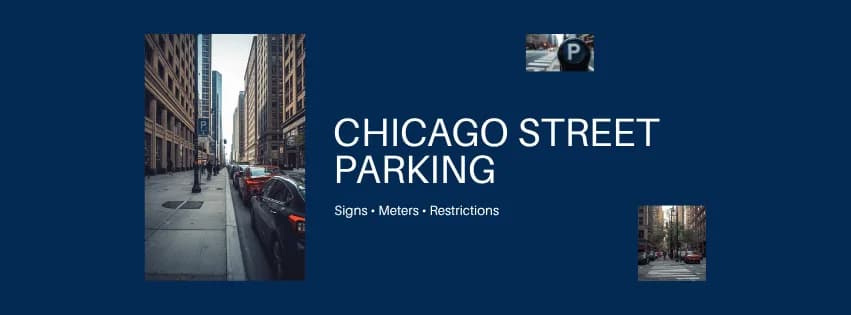
Finding a parking spot in Chicago can feel like a small victory.
Finding a legal parking spot is a different story.
A space may look perfectly fine, but the sign above it could restrict parking during rush hour. Another street may require a residential permit. In winter, an overnight snow restriction can apply even when there is no snow on the ground. And in some commercial areas, simply forgetting to pay the meter can turn a quick stop into an expensive mistake.
Chicago parking becomes much easier once you know what to look for.
This guide covers the basics every Chicago driver should understand before leaving the car.
1. Always Read the Entire Sign
One of the easiest mistakes is looking at the parking space but not carefully reading the signs.
Chicago streets can have multiple restrictions applying to the same block. You might see rules covering:
No Parking or No Standing
Loading zones
Residential permit parking
Street cleaning
Rush-hour restrictions
Snow routes
Temporary restrictions
Metered parking
And sometimes several signs are mounted on the same pole.
Don't assume the car parked in front of you means you're allowed to park there too. That driver could have a permit—or a ticket waiting on the windshield.
Before walking away, look up and read the signs from top to bottom.
2. Understand “No Parking,” “No Standing” and “No Stopping”
These phrases sound similar, but they aren't interchangeable.
The Illinois Vehicle Code distinguishes between parking, standing and stopping. Generally, “parking” involves leaving a vehicle standing other than temporarily while actively loading/unloading passengers or property; “standing” excludes temporary stopping to receive or discharge passengers; and “stopping” means halting a vehicle even momentarily except when necessary to avoid traffic conflicts or obey traffic controls.
For everyday driving, the safest approach is simple:
Don't treat a No Standing or No Stopping area as a place where you can wait in the car just because the engine is running.
Read the particular restriction before using the curb.
3. Don't Forget the Parking Meter
Many commercial and downtown Chicago streets use paid parking.
Chicago's metered parking system allows drivers to pay at pay boxes or through the ParkChicago mobile application.
Before leaving your vehicle, check:
Is this a paid space?
What are the enforcement hours?
How long can I stay?
Did my payment actually go through?
The ParkChicago app can be convenient because you can manage eligible parking sessions from your phone rather than returning to a pay box.
But don't assume every curb works the same way. Follow the posted information at your particular location.
4. Watch for Residential Permit Parking
Chicago has many Residential Permit Parking (RPP) zones.
These areas restrict parking during posted days and hours to vehicles displaying the appropriate residential parking permit or eligible guest permit. The City maintains a searchable residential zone parking system so residents can check zone information by address.
This is especially important when you're visiting residential neighborhoods.
You may find a completely open street and think:
Great, free parking.
Then notice a permit-parking sign.
Check before leaving your vehicle.
5. Street Cleaning Can Change an Otherwise Legal Spot
A parking space that's legal today may not be legal tomorrow morning.
Chicago conducts seasonal street sweeping, and temporary signs are posted to notify drivers when parking restrictions will be in effect. The Department of Streets and Sanitation provides street-sweeping schedules and lookup tools.
This matters especially if you park overnight.
When you leave the vehicle, don't only ask whether you're legal right now.
Ask:
Will this spot still be legal when I plan to move the car?
That one habit can prevent a lot of unnecessary headaches.
6. Chicago Winter Parking Has Its Own Rules
Winter deserves special attention.
Chicago has an overnight winter parking ban on designated streets from 3:00 a.m. to 7:00 a.m., December 1 through April 1, regardless of whether snow is actually present. The City says vehicles parked in violation can be towed.
That's the part many people misunderstand:
It doesn't have to be snowing.
There are also designated snow routes where parking restrictions can take effect when snowfall reaches the applicable threshold.
If you're unfamiliar with a street during winter, pay particular attention to snow-route signage before parking overnight.
7. Temporary Signs Matter
Chicago streets regularly change because of:
construction, moving trucks, utility work, festivals, filming, races, parades and other events.
A spot you use regularly can suddenly become temporarily restricted.
That's why familiarity with the neighborhood isn't enough.
Look for temporary signs every time you park.
This is especially important around major Chicago events, which is something we'll regularly highlight through ChicagoDrivers.com (opens in a new tab).
8. Be Careful Around Bus Stops, Crosswalks, Hydrants and Intersections
Not every prohibited parking location needs a giant sign telling you not to park there.
Illinois law establishes restrictions around locations including crosswalks, intersections, fire hydrants and certain other areas.
If squeezing your vehicle into a questionable space means blocking visibility, pedestrian access, a fire hydrant or another designated area, find another spot.
Saving a few minutes isn't worth creating a safety problem or returning to a ticket—or discovering that your vehicle is gone.
9. Take a Photo When You're Unsure
Here's a simple ChicagoDrivers.com (opens in a new tab) habit worth adopting:
Take a picture of the parking signs near your vehicle.
It takes five seconds.
Capture the sign, your vehicle and enough of the surrounding area to remember where you parked.
This isn't a guarantee against a ticket, but it gives you a record of what was posted when you parked and can help you review the situation later.
It also solves another surprisingly common problem:
“Where exactly did I park?”
10. Build a 20-Second Parking Routine
Before walking away from your car, make this your routine:
LOOK UP — Read every applicable sign.
LOOK DOWN — Check curb markings, meters and the space itself.
LOOK AHEAD — Will the restriction change before you return?
CHECK YOUR PAYMENT — Make sure the meter/app session is active when required.
TAKE A PHOTO — Especially when the signs are complicated.
Twenty seconds can be much cheaper than a parking ticket or tow.
Chicago Parking Doesn't Have to Be Complicated
Most parking problems don't happen because drivers intentionally break the rules.
They happen because we're in a hurry.
We find a space, grab our phone, lock the car and start walking.
Chicago is a city where it's worth spending another few seconds checking.
Read the signs. Check the meter. Watch for temporary restrictions. Pay extra attention during winter.
And when you're not sure, don't gamble on the parking space.
There will be another spot.
A ticket is a much worse way to remember where you parked.
Chicago Drivers Tip
Bookmark ChicagoDrivers.com (opens in a new tab) and subscribe to the Chicago Drivers Weekly Digest for upcoming Chicago events, driving information, vehicle tips and other updates that can help you plan your week on the road.
We Drive Chicago.
This article provides general information and is not legal advice. Parking regulations and posted restrictions can change. Always follow current street signs and official City of Chicago instructions.